In hospitality, turnover is part of the job. According to the U.S. Bureau of Labor Statistics, restaurants and bars consistently report some of the highest annual quit rates across all industries. For integrators, this means the AV systems they install in these spaces must be built not just for performance, but for resilience against one of the most persistent operational challenges in hospitality: human churn.
Every time a manager leaves or a new bartender takes over, there’s a real risk that key knowledge about how to operate the AV system walks out the door. In these fast-paced environments, even small usability issues can become costly support calls or even lead to client frustration and system abandonment.
So how can integrators future-proof their hospitality AV installs to ensure consistent, long-term functionality, no matter who’s behind the bar? It starts with a mindset shift: build for simplicity, documentation and remote service from day one.
Designing for Intuitive Operation in Hospitality AV
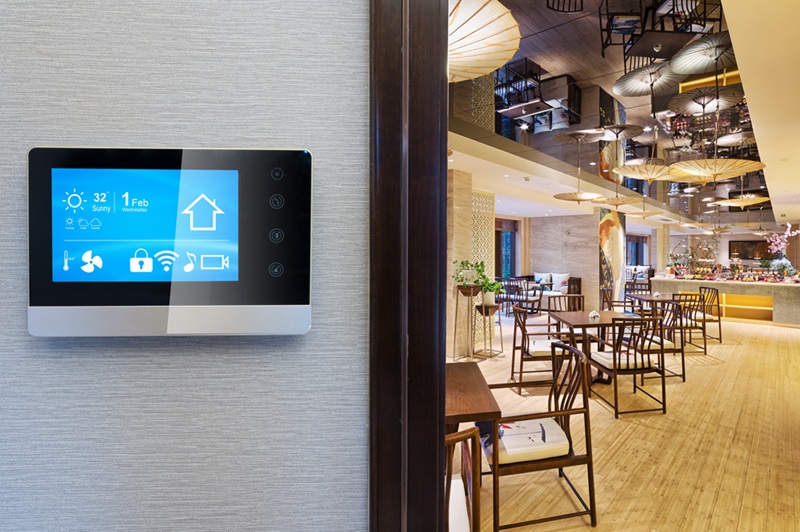
A lot of hospitality retrofits come with a box full of remote controls that the staff struggles to keep straight. Taming all these disparate devices with a unified control system is an extremely valuable first step, but you have be careful not to recreate complexity in a different form factor.

User interfaces should prioritize clarity above all else. Whether the system relies on a touch panel, wall controller or simplified remote, every action should be obvious and labeled. Integrators should aim to clarify choices — not multiply them — wherever possible while keeping the must-have customizations that each unique client demands.
Build systems around a handful of clearly labeled presets or modes that match real, client-defined use cases like “Dinner Service,” “Game Day,” or “Patio Off.” Scene-based control ensures staff can change the atmosphere or turn zones on and off with confidence, no manual required. If the operator has to scroll, dig through menus or call for instructions, the design isn’t simple enough yet.
For example, I recommend establishing a handful of clearly labeled audio presets for the venue’s most common use cases. That way, whether it’s time for brunch background music or full-volume game night play-by-plays, staff can adjust the system quickly with minimal error.
Best Practices for Rack and Cable Organization
An often-overlooked vulnerability in hospitality AV is poor physical organization of gear. When racks are messy or cables aren’t labeled, even basic troubleshooting becomes a nightmare.
Integrators should treat the equipment rack as an extension of the user interface. That means meticulous cable management, consistent labeling of inputs and outputs, and a printed (and laminated!) diagram of the system stored onsite, plus a digital backup of that diagram in your service documentation. These small steps can drastically reduce the need for repeat service calls.
If a bartender accidentally unplugs a cable or a manager needs to reset the amp, the system should be self-explanatory enough to recover without prompting a truck roll. That said, most restaurants have no desire to be responsible for their own AV/IT rack maintenance — and that’s an opportunity for integrator RMR.
Your client knows the pristine rack you built is unlikely to stay that way in the frenetic hospitality environment. Regular maintenance, including up-to-date system documentation reflecting any system changes, should be part of any ongoing service arrangement.
Consider this: did you or the client recently perform any updates such as add a zone, adjust a source or swap a piece of gear? All of these need to be reflected in the signage and guides on-site.
Smart Service and Remote Management
Remote monitoring and control have become essential tools for integrators who want to maintain service quality while minimizing service calls. In hospitality environments, remote diagnostics can prevent small hiccups from escalating into major issues.
Cloud-connected systems that allow integrators to reboot devices, adjust volume levels or confirm signal flow offsite are invaluable when supporting clients who experience frequent staff turnover. Some integrators even set up automated alerts for temperature, signal loss, or power events, ensuring they can often fix a problem before the client knows it exists.
Bundling remote support plans or scheduled maintenance check-ins into the original contract can also provide long-term peace of mind for both the integrator and the client.
Resilience by Design in Hospitality AV
Ultimately, future-proofing AV systems for hospitality is about building resilience into every layer of the project. Each design choice should reduce reliance on any single staff member’s memory.
The hospitality world moves fast. Staff come and go. But a well-designed AV system should stay dependable, usable and serviceable long after the original operator has left the building.
Integrators who adopt this mindset will not only reduce their support burden, but also build lasting relationships with clients who value consistency, reliability and stress-free AV.
Brandon White is director of new product development at Vanco.