
For years emergency communications systems were siloed. Fire alarms operated in one corner public address systems in another and digital signage was often an afterthought. That fragmentation is now disappearing. As AV and security technologies converge on IP-based networks integrators face a rapidly evolving landscape filled with both lucrative opportunities and complex technical hurdles.
The modern emergency communications system is a sophisticated data-driven ecosystem. This shift requires integrators to master a new language of convergence where audio video IT and security protocols must work in harmony.
The Drivers of Convergence
The catalyst for this change is the enterprise network. Sean Wargo principal of Apogee Insight explains “Now that we have protocols enabling everything — including AV and security technologies — to connect to the network and therefore be managed by the IT department the convergence of industries is unavoidable.”
This shift allows disparate systems to share data and trigger unified actions. For example a fire alarm can automatically trigger a digital signage takeover while a lockdown activates PA announcements. However data shows that many facilities are still in a transitional phase. Almost half of clients’ platforms are only partially integrated creating significant market potential for integrators who can guide them toward full interoperability.

Navigating Technical Obstacles
The path to integration is not always smooth. A primary barrier is the lack of common protocols between manufacturers. Matt Thorne, executive vice president at ECC, highlights this friction. “From a technology perspective many platforms are cloud based and may or may not have APIs available,” he reveals. “In many instances you end up managing several platforms to send alerts.”
Ryan Sandler, vice president of fire and life safety at Everon, views the challenge through the lens of data consistency. “The difficulty in achieving a unified solution is often not about technology and more about system ownership and data standardization,” he observes. Sandler suggests establishing a single source of truth for all recipient data often synchronized with HR or facility management systems.
People Processes and New Opportunities
Beyond the hardware the people and processes are just as important. Thorne emphasizes that an integrator’s role must begin before installation. “Flushing out gaps and inefficiencies in the facilities current processes is paramount” he states.
Sandler agrees adding that technology is useless if operators cannot use it under stress. He advocates for frequent training and full-scale disaster simulations. This focus on service opens new revenue streams. Subscription-based models for compliance management training and proactive system health monitoring are becoming essential.
The emergency communications sector is moving beyond reactive tools to become a proactive operational platform. Integrators who can unify systems and translate complex requirements into resilient solutions will lead the way in this new era.
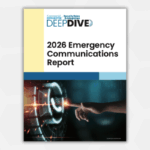
To learn more about the technical challenges and growth opportunities in this crucial sector download CI+SSI’s 2026 Emergency Communications full report.