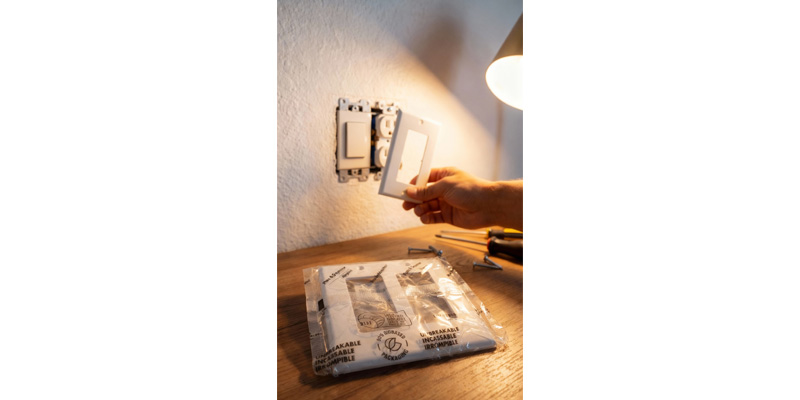
Legrand, the global specialist in electrical and digital building infrastructures, announced a significant move in its sustainability efforts. The company is transitioning the packaging for its standard wall plates to a compostable bio-based material called NatureFlex. This change is expected to eliminate 117 tons of single-use fossil-fuel-based plastic from the waste stream each year.
The initiative supports Legrand’s broader corporate goal of eliminating 100% of single-use plastic from its packaging by the year 2030. This transition marks a critical milestone in the company’s journey toward greater environmental responsibility.
The Path to Sustainable Packaging
The decision to adopt NatureFlex was the result of an intensive 18-month project. Legrand’s engineering teams dedicated over 5,000 hours to research testing and material evaluation. The goal was to find a packaging solution that not only reduced environmental impact but also provided the necessary protection for products in a retail setting.
After extensive validation Legrand selected NatureFlex. This material produced by Futamura is a BPI (Biodegradable Products Institute) certified compostable packaging film. It is derived from renewable and responsibly sourced cellulose making it a sustainable alternative to traditional plastics.

“This shift to NatureFlex packaging represents meaningful progress toward our environmental sustainability goals” says Ratish Namboothiry vice president of sustainability & corporate social responsibility for Legrand North & Central America. He noted the tireless work of the company’s teams in re-engineering packaging that protects the product while minimizing its environmental footprint.
Why NatureFlex?
NatureFlex offers the durability and protective qualities required for shipping and retail display. At the same time it provides a clear end-of-life pathway. Under the right conditions in industrial composting facilities the material can biodegrade. Its composition is USDA-certified as bio-based allowing manufacturers like Legrand to move away from petroleum-based plastics without sacrificing performance.
Yasuo Nagae President of Futamura expressed excitement about the partnership. “NatureFlex was designed to help global brands transition away from fossil-fuel-based plastics without compromising performance” he stated. “Legrand’s commitment demonstrates how responsible material choices can create measurable environmental benefits across an entire product category.”
A Broad and Immediate Impact
This packaging change applies to Legrand’s entire standard wall plate portfolio. Because wall plates are one of the company’s highest-volume product lines the environmental benefits will be felt immediately and at a large scale, the company says.
Racheal Rich, senior product manager at Legrand, who oversaw the material evaluation process emphasized the project’s scope. “This project was far more than a packaging redesign it was a complete rethinking of how we deliver our products responsibly” she explained. “Our goal is to lead the industry with solutions that reduce waste protect resources and set new standards for sustainability.”
A Step Forward in Corporate Responsibility
Legrand’s corporate social responsibility (CSR) strategy is built on several key pillars. These include mitigating climate change developing a circular economy promoting inclusion and being a responsible business. Transitioning a high-volume product category to compostable packaging is a tangible step toward reducing the company’s overall environmental footprint.
Consumers and distributors can expect to see the new NatureFlex packaging appear in retail channels as the updated wall plate packaging is phased in throughout 2026. This move by Legrand highlights a growing trend in the manufacturing sector to adopt more sustainable practices and materials in response to environmental challenges.