
Choosing between fiber and satellite internet can be challenging when both technologies promise fast speeds and reliable connectivity. However, the two connection types differ significantly in how they deliver data and perform under everyday demands.
This guide draws on insights from Highline Internet, a regional telecommunications provider serving rural and underserved communities across six states, to examine how fiber internet compares with satellite internet in terms of speed, latency, reliability and everyday performance.
Connection Mechanics
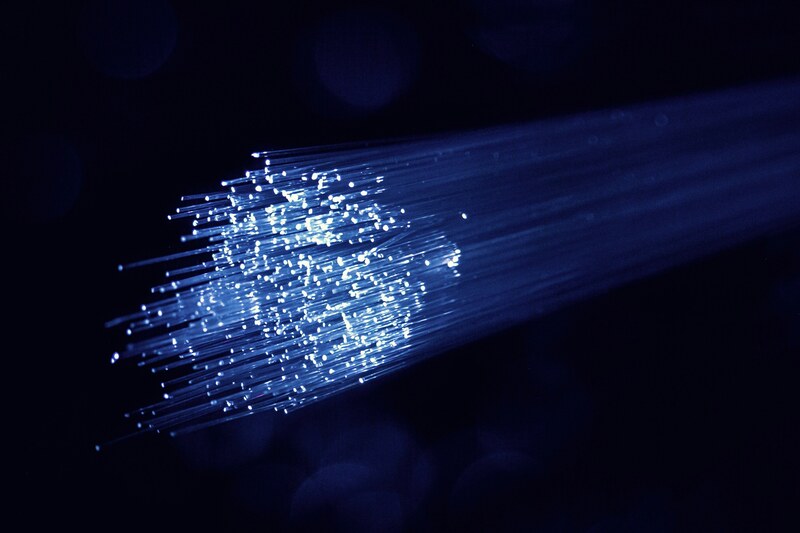
Understanding fiber vs satellite internet begins with how each technology delivers data. Highline Internet explains that fiber “transmits information in the form of light through optical fibers. These fibers, which are roughly the same diameter as a human hair, are bundled together to create cables.”
Satellite internet operates differently. Radio waves travel from a dish on the property to a satellite orbiting in space and back again. This fundamental difference shapes every aspect of performance.

Availability often determines which option households can access. Fiber requires direct underground cable infrastructure, while satellite service can reach remote locations where cable installation is impractical.
Symmetrical Speeds for Remote Work
According to Highline Internet, fiber offers “symmetrical upload and download capabilities,” meaning data moves just as quickly in both directions. The provider notes this symmetry proves essential for video conferencing, large file transfers and cloud applications.
Standard satellite connections typically offer download speeds between 50 and 300 Mbps, but upload speeds fall significantly lower, often ranging from 8 to 18 Mbps. This asymmetry creates bottlenecks when uploading presentations or backing up data.
Lower Latency for Seamless Performance
Latency measures the time it takes for data to travel between a device and its destination. When considering fiber vs satellite internet latency, Highline Internet reports that fiber maintains “incredibly low latency—typically around 1-2 milliseconds” because signals travel through direct underground cables.
Satellite latency averages 20 to 40 milliseconds or higher due to the physical distance signals must travel to orbiting satellites and back. This delay creates noticeable lag during video calls, online gaming and interactive software.
Weather Resistance and Ultimate Reliability
Infrastructure design determines how well each technology withstands environmental challenges. Highline Internet explains that “fiber cables are durable, flexible, and typically installed underground, keeping them safe from weather and other disruptions.”
Heavy rain or snow can temporarily impact satellite performance, as the wireless transmission path makes the connection vulnerable to atmospheric interference. Users may need to clear snow off the satellite dish to restore their connection.
Bandwidth for Multiple Connected Devices
Data policies and network capacity affect how households use internet service. Fiber connections can simultaneously handle multiple devices streaming, gaming, attending video calls and accessing cloud services.
According to Highline Internet, fiber technology supports heavy internet traffic across all connected devices without throttled speeds. Many fiber providers offer unlimited or high-cap data structures, though policies vary by provider.
Satellite services sometimes implement data caps or network management policies during peak usage periods. Households with several family members working remotely may encounter limitations.
Performance and Monthly Cost
Total connectivity costs extend beyond advertised monthly rates. Installation expenses, equipment fees, contract requirements and service limitations all factor into the comparison.
Installation processes differ as well. Fiber installation typically requires professional setup to run cables to the property, while satellite setup involves mounting a dish with a clear view of the sky. Satellite internet’s primary advantage lies in its accessibility to remote locations where fiber infrastructure does not exist. Equipment and installation costs can be substantial up front.
Fiber offers strong performance value through high speeds, low latency and reliable service. Highline Internet emphasizes predictable pricing with no annual contracts. Installation costs and monthly rates vary by location and provider.
Data Privacy and Physical Infrastructure
Data privacy is an important consideration for homeowners or business owners comparing fiber vs satellite internet. Fiber’s closed physical path and provider network architecture may make it more secure than satellite’s wireless signal route. The underground wires are difficult to physically intercept, and they do not emit electromagnetic signals that outside parties can easily capture. However, the level of security also depends on data encryption, home network security and user behavior.
Satellite internet travels via radio waves, which specialized receivers may be able to intercept. Security for this type of internet is also influenced by software encryption protocols and user best practices, rather than by the physical medium itself.
Making an Informed Connectivity Choice
The fiber vs satellite internet comparison shows that fiber generally provides faster speeds, stronger upload performance, lower latency and more consistent reliability for everyday connectivity. These advantages make fiber well-suited for streaming, video calls, remote work and households with multiple connected devices.
Satellite internet remains an important option for locations where terrestrial infrastructure is unavailable. The right choice ultimately depends on service availability, household usage, performance expectations and budget, with fiber offering stronger overall performance where it is accessible.