
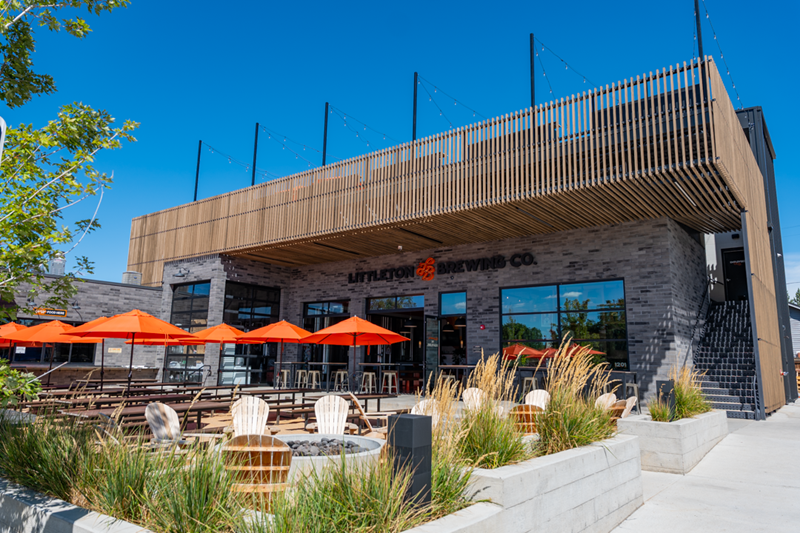
A visit to Littleton Brewery in Colorado can take on several forms: Guests might stop in for a drink, join a brewery tour or settle in for a typical night at the bar. Then there are trivia nights, block parties, Oktoberfest celebrations and even live wrestling matches. Each brings a different crowd, energy and set of demands. This means the audio system had to be just as adaptable.
During everyday operations, sound needed to create atmosphere without competing with conversation. For larger events, the same system needed the coverage, clarity, and flexibility to support a much bigger experience.
And that was only part of the challenge. The property moves between enclosed interiors, an active brewhouse, outdoor gathering areas and a rooftop patio with no ceiling at all. Each space asked something different of the system, but the experience still needed to feel connected.
Designing Around How the Brewery Is Used
Whitaker Industries partnered with Origin Acoustics Design Services to develop a multi-zone audio system spanning the brewery’s interior spaces, production area and outdoor gathering spaces.

The design combines pendant, in-ceiling and outdoor loudspeakers, with each solution selected for the acoustic and architectural demands of its environment.
From enclosed interior spaces to open-air gathering areas, each solution was tailored around how guests would experience the space, allowing the technology to either recede into the architecture or become a considered part of it.
Courtesy / Origin Acoustics
“Littleton Brewery needed one system to do several very different jobs. It had to create energy throughout the property, keep tours clear inside a working brewhouse, and deliver full sound outdoors without overwhelming conversations or the surrounding area,” says Joe Whitaker of Whitaker Industries. “The finished system achieves that balance from the moment guests arrive.”
How Did Origin Acoustics Level Up the Audio at Littleton Brewery?
Origin Acoustics Design Services developed placement and dispersion plans for the interior and exterior systems before installation.
Inside, the models helped Whitaker Industries understand how sound would move through each room and support the different ways guests could experience the space.
Outside, the challenge was different. With fewer architectural surfaces to work from, the team used modeling to shape coverage across open-air gathering areas, create a more immersive experience, and control unnecessary spill beyond the property.
That planning allowed placement, orientation and output to be considered alongside the architecture, guest flow and intended experience before anything was installed.
Brennan Allison, design services manager, Origin Acoustics, explains, “Our job was to understand how people would move through the brewery and what they needed to hear in each space. By modeling coverage before installation, we could design every zone around its actual use and make the transitions between them feel effortless.”
Setting the Tone for the Audio Experience
The audio experience begins before guests enter the brewery.
Origin Acoustics all-weather loudspeakers featuring Ambisonic Technology extend music across the parking area and main gathering space.
Controlled dispersion helps keep sound focused on the intended listening areas, while burial subwoofers add depth without introducing prominent equipment into the landscape.
The system creates a sense of arrival and carries the brewery’s atmosphere outdoors without asking guests to compete with it.
How Did Origin Acoustics Address the Challenge of No Roof?
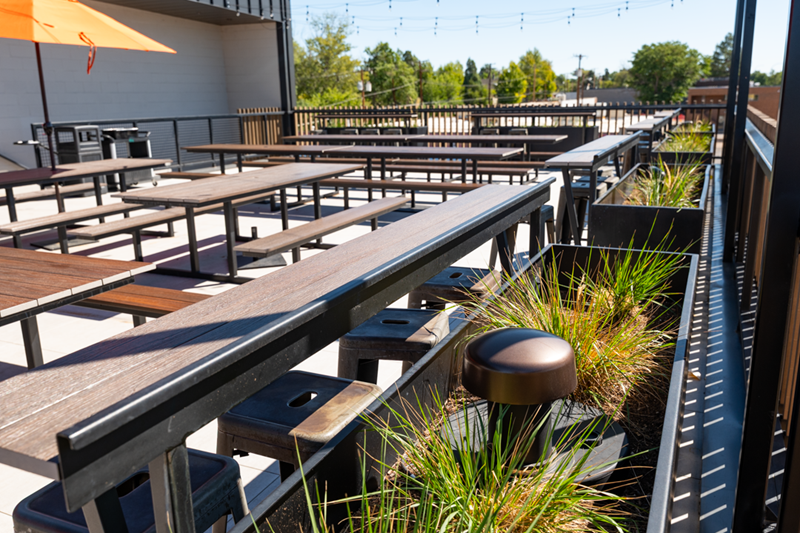
Without an overhead structure to work from, creating an immersive audio experience required the Origin Acoustics team to think beyond conventional speaker placement. The answer became part of the design itself.
Courtesy / Origin Acoustics
Planters were added to the rooftop patio specifically to create the placement opportunities needed to shape sound around the open space. In solving an audio problem, they also added landscaping, structure and visual interest to the patio.
It is a small detail with a larger idea behind it: technology does not have to be something the design accommodates. Done well, the solution can make the design better.
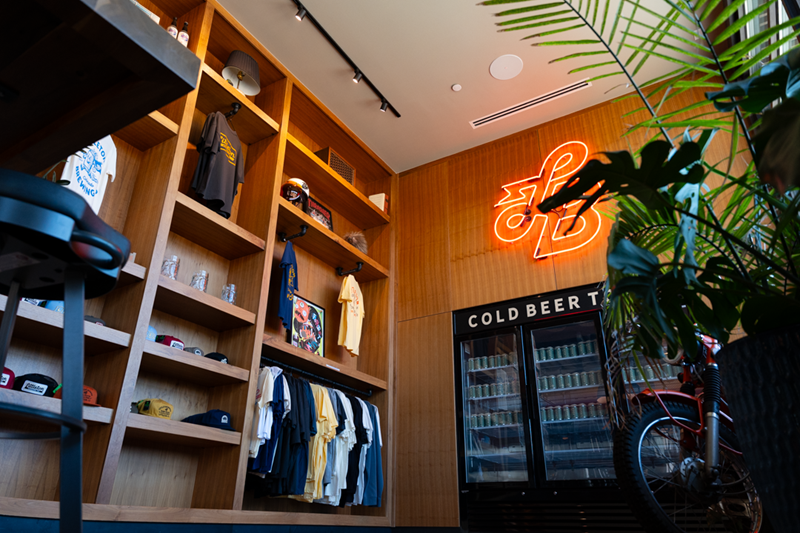
As visitors move inside, the sound continues through the retail area and into the tasting room. Pendant loudspeakers become part of the visual environment, providing even coverage from above while complementing the scale and character of the space.
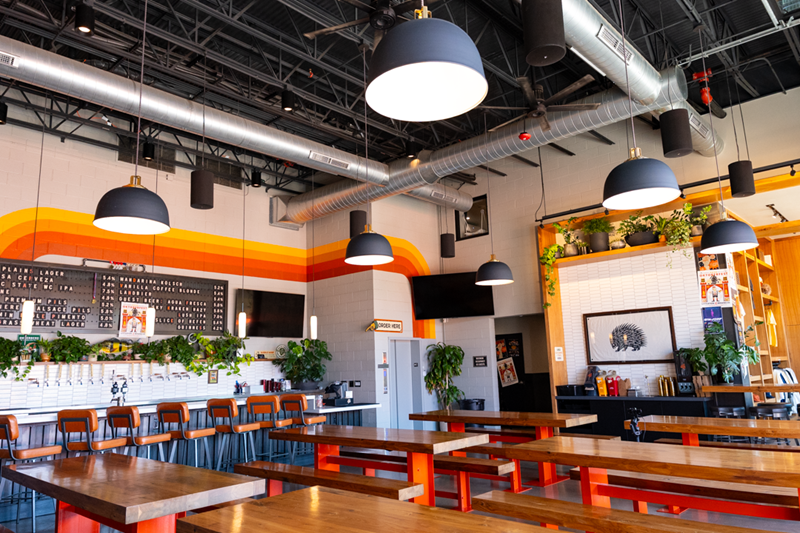
In the tasting room, nine loudspeakers were strategically positioned to deliver consistent coverage at lower listening levels. The speaker count was expanded to distribute sound more evenly throughout the space, creating an inviting atmosphere without overwhelming conversation.
Placement was equally important. Loudspeakers were positioned away from the bar counter to keep music from interfering with guest interactions and transactions, allowing staff and customers to communicate comfortably even when the room is busy.
The tasting room also needed to transition easily from everyday service to hosted events. A microphone and HDMI interface were incorporated to support trivia nights, presentations and other activities.
The HDMI distribution delivers video to the tasting room TVs, while Origin commercial amplifiers use audio ducking to automatically prioritize microphone announcements over event audio.
The result is a flexible system that allows hosts to be heard clearly without requiring manual adjustments or interrupting the experience.
Sound for a Working Brewhouse
The brewhouse presented its own set of acoustic demands.
Hard surfaces, production equipment and ambient operating noise make it a very different listening environment from the tasting room just outside it.
Courtesy / Origin Acoustics
At the same time, the space has to support several uses throughout the day, from normal brewery operations and background music to groups moving through the production floor.
Rather than distributing loudspeakers throughout the entire brewhouse, Origin Design Services refined the design to use four PP80 pendant loudspeakers positioned along the main walkway.
The placement was driven by the height of the space and the reflective properties of the brewing equipment, which required a more targeted approach to coverage.
By concentrating sound along the path where visitors move through the production area, the system delivers clear, focused audio where it is needed while minimizing unnecessary sound across the equipment-filled space.
The result is a design that supports everyday operations and guided tours without competing with the environment around it.
Giving Every Space its Own Voice at Littleton Brewery
Littleton Brewery features seven interior zones and three exterior zones, giving the team control over how sound supports different parts of the guest experience.
A PP60 pendant pair serves the retail space, while PC60 in-ceiling loudspeakers provide discreet coverage in the hallways and bathrooms. Additional loudspeakers extend the system into the kitchen and office, supporting employees as well as guests.
The system was also designed with future events in mind. A zone serving the green room, where hops and barley are sorted, was left expandable.
This allows additional pendant loudspeakers to be connected and deployed in temporary tents in the parking lot, giving the brewery the flexibility to extend audio coverage for larger gatherings and special events without redesigning the core system.
Outside, 16 all-weather loudspeakers and four burial subwoofers cover the gathering area, parking area and rooftop deck.
Dedicated amplification and equalization allow each zone to be tuned around its environment.
“We wanted people to hear the tour clearly, enjoy the music and still be able to have a conversation,” states Troy Beer, owner of Littleton Brewery. “The system gives us that balance everywhere, from the brewhouse to the rooftop.”
A Single System at Littleton Brewery
At Littleton Brewery, the role of audio changes throughout the day. It welcomes guests outside, sets the pace in the tasting room, and gives a tour guide the clarity to hold a group’s attention on an active production floor.
It transitions from background music to trivia and live announcements, with built-in flexibility to expand into temporary event spaces as the brewery’s needs evolve.
The project was never about making every space sound the same. It was about designing each one around how it would actually be used. Sometimes that meant a pendant speaker becoming part of the room. Sometimes it meant audio disappearing into the architecture.
And on the rooftop, it meant adding something to the design so the experience could be better.
Guests never need to think about any of it. They simply move through a property that feels connected, while the system adapts behind the scenes.